
What to Know About Gas Line Repairs
Gas lines stay out of sight in many homes until trouble shows up. Spotting warning signs and knowing how fixes work can save lives, protect your home, and save you cash. Finding a leak early puts the brakes on danger and expensive damage. Not many know that small cracks or a rotten egg smell usually mean a problem. Learning these secrets helps you jump on issues fast and smart, keeping your place safe. This info is perfect for anyone wanting a secure home and lower bills. Stick around—you’ll discover how to catch problems before they turn into big disasters.
Whether you are a homeowner who relies on gas for heat and cooking or a landlord responsible for multiple units, clear facts and practical tips make a difference. Read on for signs of trouble, what professionals do during repairs, typical costs, and how to choose a reliable service provider.
What to Know About Gas Line Repairs, in Plain Terms
Gas line repairs cover a range of jobs from replacing a small section of pipe to rerouting a line for an appliance. The most important priorities are safety and restoring a sealed system that delivers fuel without leaks. Small cracks or loose fittings can create dangerous conditions quickly. Many repairs require a licensed technician and a permit from local authorities.
Common causes of damage include ground shifting, corrosion from age, improper installation, accidental drilling during landscaping or construction, and wear at connection points. While some minor issues can be fixed by tightening a fitting, most repairs involve testing the line, isolating the affected segment, and replacing or relining pipe sections as needed.
Common Signs of a Gas Leak You Should Never Ignore
Recognizing early signs of a leak can prevent a hazardous situation. Pay attention to these indicators at home and outdoors near gas meters or yard lines.
- Smell of rotten eggs This is added to natural gas to make leaks detectable. If you smell it, act immediately.
- Hissing or whistling sounds A clear sound near a meter or appliance often signals escaping gas.
- Dead or dying plants over a buried line Vegetation that is wilting in a localized area may be affected by a leak.
- Physical symptoms Headaches, dizziness, nausea, or difficulty breathing can indicate exposure to a gas leak.
- Unusually high gas bill A sudden unexplained increase in consumption may reflect a leak or faulty meter.
Emergency Steps When You Suspect a Leak
When you suspect a leak, quick calm action is essential. These steps are simple but can prevent an explosion or harmful exposure.
- Open windows and doors to ventilate the area if it is safe to do so.
- Do not switch on lights, unplug appliances, or use anything that could create a spark.
- Evacuate people and pets to a safe outdoor location away from the house.
- Shut off the gas at the main valve if you can reach it without entering the affected area.
- Call the local gas company or emergency services from a safe distance and follow instructions.
These steps reduce immediate risk until professionals arrive. Never try to repair a suspected leak yourself unless you are qualified and the line is isolated and inert.
What Professionals Do During a Repair
A licensed gas technician follows a structured approach that prioritizes testing and safety. They will first verify the presence of gas and rule out false positives. Many technicians use electronic gas detectors and pressure testing to pinpoint the location and severity of the leak.
Diagnostics and testing
Diagnostics start with a visual inspection of visible lines and fittings. Then the technician performs pressure tests on sections of the line to identify leaks. If the line is buried, soil probing, listening devices, or tracer gases may be used. Accurate diagnosis prevents unnecessary excavation and targets the repair precisely.
Repair methods and materials
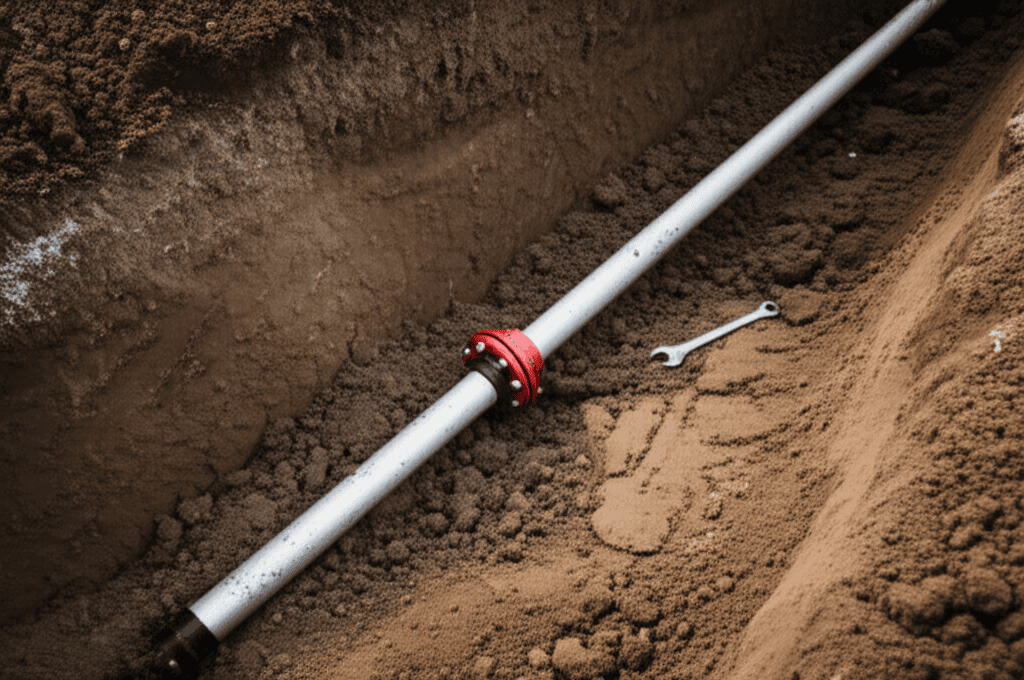
Repair options depend on the pipe material and the extent of damage. Common materials include black steel, copper, galvanized steel, and newer flexible polyethylene for underground runs. Repair methods can include replacing a short section with new pipe, adding a flanged coupling, or replacing an entire segment if corrosion is widespread. For buried plastic lines, a common technique is to dig to the damaged area and join a new length of pipe with approved fittings.
Permits, Codes and Why They Matter
Gas line work is regulated for a reason. Local codes set standards for materials, joint methods, and testing. Many jurisdictions require a permit for any change to a gas system and a pressure test witnessed by an inspector. Skipping permits may save money initially but can lead to failed inspections, fines, higher insurance risk, and liability if an accident occurs.
Hiring a licensed contractor who handles permits avoids delays and helps guarantee that the repair meets code. They will provide documentation that can be important when selling a home or making an insurance claim.
Cost Factors to Expect for Gas Line Repairs
Costs vary based on access to the damaged section, pipe material, permit requirements, and whether a surface like concrete or landscaping must be restored. Small in-home repairs that require shutting off and replacing a fitting are at the lower end of the scale. Replacing a long segment or rerouting a line under a driveway or finished floor increases labor and restoration costs.
Examples of factors that affect price
- Depth of burial and ease of access
- Length of pipe to replace
- Type of pipe used for replacement
- Need for excavation and restoring landscaping or concrete
- Permit and inspection fees
Ask for written estimates that list materials, labor, and any restoration costs separately. A clear breakdown helps compare bids and avoids surprises.
How to Choose a Reliable Gas Line Repair Service
When selecting a service provider, look for licensing, insurance, and positive local reviews. A reputable company should be willing to explain their testing process, show permits, and provide references from recent jobs. Expect clear answers about the materials they plan to use and a timeline for completion.
A local company is often better positioned to handle permits and inspections quickly. If you prefer professional help, consider reaching out to a trusted regional provider such as Berkeys gas line repair service to request an inspection and estimate. Their local presence can reduce wait time for an inspector and speed up repairs when time matters.
Safety Tips and Preventive Measures
Routine checks and simple preventative steps can reduce the likelihood of a major repair. Regular visual inspections of accessible lines and appliances can catch loose fittings. If you have underground lines, mark them before any digging and call your local utility location service before landscaping or construction.
- Test carbon monoxide detectors regularly and keep fresh batteries in them.
- Have appliances serviced on a schedule recommended by the manufacturer.
- Avoid planting trees or shrubs directly over buried lines to prevent root damage.
- Document any repairs and keep copies of permits and test reports for future reference.
Simple maintenance and awareness save money and reduce risk over time.
Common Questions Homeowners Ask
Below are practical responses to questions people often have when facing a possible leak or planning a repair.
- How long does a typical repair take Small in-home repairs can be completed in a few hours. When excavation and restoration are required, allow a few days for repair and additional time for landscaping or concrete work.
- Can I stay in my home during repairs If the area can be ventilated and the gas turned off locally, many repairs are performed while homeowners stay elsewhere briefly. If there was a confirmed leak with strong odor, evacuation during repairs is common.
- Will my insurance cover the repair Coverage varies. Some policies cover accidental damage to gas lines while others do not. Provide your insurer with the contractor report and permit documents to support a claim.
Knowing these basics puts you in a stronger position to make informed decisions and to ask the right questions of the service provider you hire.
To summarize, gas line repair work requires fast, careful action when a problem appears and clear documentation when work is done. Look for the signs early, follow emergency steps, and choose a licensed provider who tests and documents repairs. Budget for permit and restoration costs and keep records for future reference. If you suspect a leak, take it seriously and get a professional inspection right away. Investing a little time up front to confirm a repair is done correctly prevents risks and can save money over the long term.
If you need help locating a local technician or want an inspection, call a licensed service today and describe the symptoms you observed so they can plan the proper response. A timely inspection prevents escalation and protects occupants and property. Reach out now to schedule an assessment and get a clear estimate for any required work.