
Improve Chainsaw Power Safely
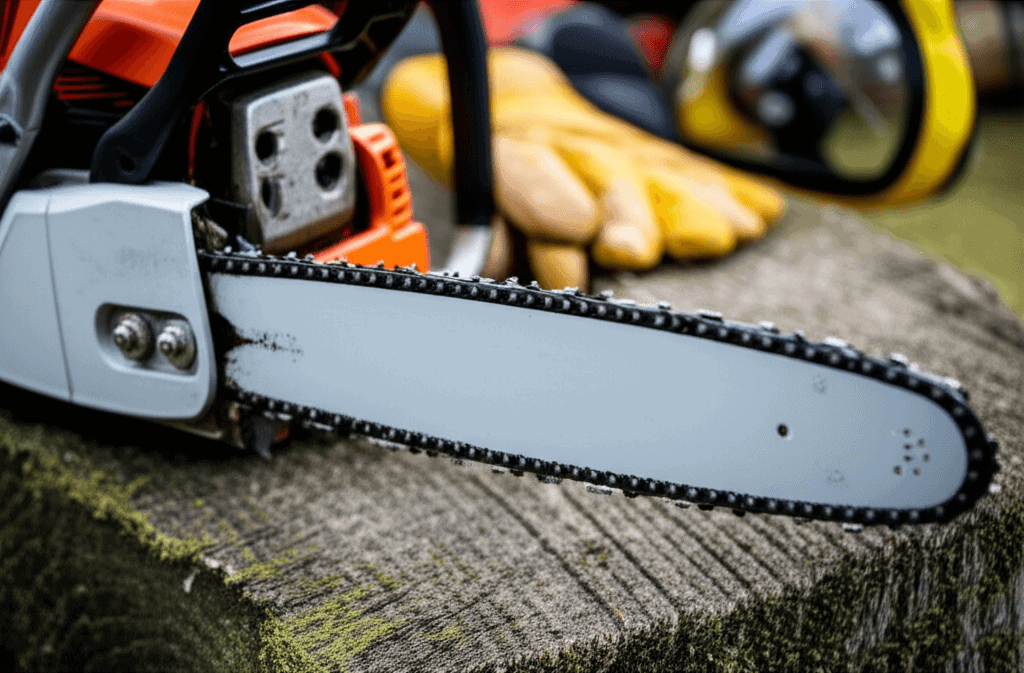
Increasing a chainsaw’s cutting power lets yard pros and tough workers slice wood faster, avoid surprise kickbacks, and finish jobs quicker. Messing with the engine or skipping simple tune-ups can turn a reliable tool into a dangerous one. This guide shows honest ways to safely boost chainsaw strength, giving real results without breaking the saw or risking injury. Want to know secret tips that make your chainsaw safer while giving it more bite? Keep reading—you’re about to learn something that can change the way you work.
The advice below blends routine maintenance, tuning steps, component upgrades, and notes on advanced changes. For each idea I explain what it does for engine output, how to test results, and what safety checks to run first. Some modifications require experience and specific tools. If you are curious about porting a cylinder for extra power you can find a clear walkthrough here how to port a chainsaw and use that only after you have covered the basics.
Start with the safety basics before any performance work
Safety is not optional when you change how a chainsaw runs. Before any maintenance or tuning you must confirm that the chain brake, throttle interlock, and chain catcher are in good condition. Wear approved eye protection and heavy gloves when you test or run a saw. Secure the saw on a stable surface when adjusting carburetors or testing spark components.
Battery powered or electric saws have different checks than gas models. For gas saws drain fuel into a safe container if you plan long repairs. Disconnect the spark plug lead before removing covers or working near the chain. These small steps prevent accidents and allow you to focus on real performance improvements.
Routine maintenance that gives the biggest power gains
Often what feels like a lack of power is a maintenance issue. Fixing these items creates noticeable returns and keeps the engine healthy.
- Air filter Replace or clean a dirty filter. A clogged filter chokes the engine and reduces RPM. In dusty conditions change the filter more often.
- Spark plug Inspect the electrode and gap. A worn or fouled plug lowers combustion efficiency. Use the gap recommended by the manufacturer.
- Fuel quality Use fresh fuel mixed at the correct ratio. Old fuel forms varnish and deposits that inhibit flow. If your saw sits for months drain the tank and carburetor bowl.
- Carburetor adjustment Low performance often responds to lean or rich mixture settings. Small adjustments to the high and low speed screws can recover lost power. Make changes in small increments and test run between turns.
- Exhaust and spark arrestor A clogged muffler or arrestor restricts exhaust flow. Cleaning restores breathing and can raise RPMs slightly.
Tuning the engine for better throttle response and torque
Tuning is a balance between fuel, air, and ignition timing. Many saws have basic adjustment screws that are designed for field tuning. Learning the effect of each screw and recording settings helps you return to baseline if something goes wrong.
Making carburetor tweaks safely
Adjust the idle and mixture screws only after the engine is warm. A typical approach is one quarter turn adjustments followed by test cuts. If the engine runs hot or loses power at full throttle reverse your last change. Keep notes of the original screw positions so you can reset the unit.
Ignition system checks
Verify the kill switch circuit and ensure the ignition coil is producing a solid spark. Weak spark can mimic low compression or poor fuel delivery. Use a spark tester to confirm good voltage. Replace the coil if the spark is intermittent.
Upgrading consumables for faster cutting and smoother operation
Some of the easiest gains come from better bars and chains. These items wear with use and different pitches, gauges, and cutter types change how the saw transfers engine power to the wood.
- Chain sharpness A sharp chain cuts with less engine load. Use a filing guide or a bench sharpener to maintain the correct tooth angle and depth gauge setting.
- Right chain for the wood Use chisel teeth for clean, fast cuts and semi chisel for dirty wood. The wrong chain causes excessive drag and reduces effective power.
- Bar length matching Shorter bars reduce torque demand on the engine. If you use a long bar with a small saw you will notice slower response and higher stress on the crankshaft.
- Chain lubrication Insufficient oil raises friction and solarates engine load. Keep the oil reservoir full and check the oil pump feed if the bar runs dry.
When to consider mechanical modifications
After maintenance and consumable upgrades you may still want more power. Mechanical changes can yield larger gains but require skill and careful testing. Know that such changes may alter reliability and can affect legal emissions in some areas.
Common moderate modifications
- High flow carburetor jets installed to match a modified intake and exhaust
- Upgraded clutch springs for better engagement at higher RPM
- Shorter or lighter flywheels to change throttle response
Advanced cylinder work and notes on risk
Porting or reshaping the transfer and exhaust ports can increase torque and top end RPMs. This is advanced work and requires precise measurement and experience. If you decide to go down that path read a step by step guide and practice on a spare cylinder first. Serious changes can shorten engine life if done incorrectly.
Measuring power and verifying gains
Track improvements with objective checks so you know whether a change helped. Simple tests can separate perception from measurable gain.
- Throttle response test Time how quickly the chain reaches full speed from idle. Repeat tests under similar conditions to check improvements.
- Cutting time test Measure how long a standard log takes to cut before and after changes. Use the same wood species and diameter for consistent comparison.
- Compression reading Use a compression tester to check engine health. A healthy compression value varies by model but a substantial increase after cleaning is a good sign.
- Fuel consumption check Note fuel used for a standard workload. Power gains should not dramatically increase fuel use unless you accept that tradeoff.
Common mistakes that reduce power or shorten engine life
Some quick fixes seem to work at first but cause long term problems. Avoid these traps.
- Running a lean mixture to get more speed. A lean setting raises combustion temperature and causes piston and ring damage.
- Ignoring torque limits on the crank. Larger sprockets or heavier bars increase stress on connecting bearings and can lead to catastrophic failure.
- Using improper tools for porting and grinding. Hand files and power grinders can remove too much material if you do not know critical dimensions.
- Skipping break in after major work. New rings or port changes need a careful run in to seat parts and confirm there are no leaks or hot spots.
Tools, parts, and supplies I recommend for safe power work
Having the right tools reduces mistakes and speeds up diagnosis. Below is a compact list of practical items to keep on hand.
- Carburetor adjustment screwdriver set with accurate markings
- Compression gauge with adapter for your spark plug size
- Spark tester and a small bench grinder for minor chain finishing
- Feeler gauges for checking gaps and shims
- Quality replacement air filters and a selection of chains with different pitches
Also keep a service manual for your exact model. It lists torque values, recommended fuel mix, and safe limits for RPM. Following manufacturer specs is the fastest route to stable and reliable power gains.
Deciding when to keep upgrading and when to stop
Every change involves a trade. More power often means more wear, different handling, and higher operating temperature. If you rely on a saw for daily work prioritize reliability over maximum speed. For occasional projects you can accept a shorter service interval to gain cutting time.
If your goal is a major increase in horsepower it might be more cost effective to pick a larger engine platform rather than heavily modify a small one. Matching bar length, chain aggressiveness, and engine size is a better strategy than forcing unnatural power from a small saw.
Summing up the safe path forward means start with maintenance and testing then consider small, reversible adjustments. Mechanical changes like porting give bigger gains but carry risk and require knowledge and the right tools.
Conclusion
Improving chainsaw power safely is about method and restraint. Start by restoring factory performance with clean filters, a good spark plug, fresh fuel, and a sharp chain. Move on to careful carburetor tuning and upgrade consumables to match the cutting task. If you seek higher output consider mechanical changes only after you have mastered the basics and can measure results. Keep a clear testing routine and a log of settings so you can return to a known good state if a change does not work out.
Your next steps are simple. Inspect and replace worn parts, practice small carburetor adjustments, and run objective cutting tests. If you want to study advanced options like porting read a detailed guide and practice on parts you can afford to replace. Safety gear and a methodical approach let you raise performance while protecting the saw and the operator. Try one improvement at a time and record results. If you are ready to upgrade your saw take action today and follow a step by step plan for best results.